3D laser scanning gives schools and universities quick, accurate data for renovation or expansion projects. In Dallas, many older buildings lack current documentation. Scanning fills those gaps. It captures precise interior and exterior measurements—walls, ceilings, floor levels, piping, HVAC, and electrical runs. This tool helps keep construction on track, especially when access is limited during the school year.
Crews usually scan during off-hours, weekends, or breaks to avoid disrupting classes. When precision matters most in your construction plans 3D Laser Scanning Dallas delivers high-precision models that help reduce errors and streamline project workflows.. They use tripod-mounted or handheld scanners to collect millions of data points in each room. That data becomes a point cloud, then gets turned into 2D plans or 3D models. Architects use these to plan with confidence. MEP engineers avoid system clashes. Facility managers get a clear record of what’s in place, which helps when upgrading systems.
Skipping scanning can lead to costly mistakes. Misaligned ductwork, unexpected wall thicknesses, or undocumented changes from past remodels often cause delays. Many assume original drawings match current conditions—they often don’t. Manual measuring in large, active buildings is slow and risky. Scanning solves that. It’s quick, accurate, and gives everyone the same data. In Dallas, especially for buildings from before 1980, scanning is now a common first step before major renovations.
Accurate data about existing conditions is key when renovating or expanding schools and colleges. Without it, plans rely on guesswork. That causes delays, surprise costs, and extra work. It’s common—contractors open a wall and find pipes or wires routed differently than old drawings show. Or floor levels don’t match up. Here is why 3D laser scanning helps.
In Dallas, scanning services for schools create detailed digital models. These aren’t just visuals. They’re precise point clouds and 3D models showing walls, ceilings, HVAC, piping, floor levels, and more. Architects and engineers use this data to plan better. Facility managers check square footage, equipment locations, and clearance zones. It’s especially helpful in older buildings with missing or outdated plans.
Renovations during school breaks leave little room for surprises. A full 3D scan early on helps avoid change orders and RFIs. It also helps trades coordinate in tight spaces where ductwork, wiring, and fire protection systems overlap.
One common mistake is using 2D drawings or manual measurements. Those methods often miss details, especially in complex or multi-story buildings. A small error can throw off the whole design. If you're planning a retrofit or expansion, scan the space first. It’s quicker and cheaper than fixing mistakes during construction.
3D laser scanning cuts the time needed to document existing school buildings. Traditional measurements can take days or weeks, especially on large campuses. Scanning captures millions of data points in a few hours. Teams then turn that data into digital models ready for use. This reduces return site visits and keeps renovation or expansion projects moving. For schools with short construction windows, that speed matters. Here is why: less time on-site means more time to build.
Accurate data early in a project helps avoid expensive mistakes. Missed dimensions often cause delays and rework. Scanning gives teams detailed as-built data from the start. Fewer people need to visit the site, which lowers labor costs. Schools working with tight budgets benefit from those savings. Over time, fewer errors and better planning save money. Let’s break it down: less guesswork, fewer changes, and lower costs.
Renovation often uncovers surprises like hidden utilities or mismatched floors. Scanning helps teams find those early. The data creates a digital model of the building, so issues show up before demolition. That lowers the chance of damaging unknown systems. It also helps teams plan for safety and code compliance. In older buildings with missing or inaccurate plans, this matters even more.
Accurate models help architects and engineers get it right the first time. Whether adding HVAC systems or aligning walls, scan data removes guesswork. It also prevents design conflicts that can delay permits. In schools, where rooms often get repurposed, precision matters. Everyone—from structural to MEP—can work from the same data. Next steps: better coordination and fewer delays.
After construction, scan data still helps. Facility managers use the models for maintenance, planning, and tracking assets. No need to rely on old drawings or memory. They can access accurate layouts anytime. This is handy on large campuses with many buildings and frequent changes. It also supports future upgrades like ADA improvements or energy retrofits. Accurate data makes planning easier.
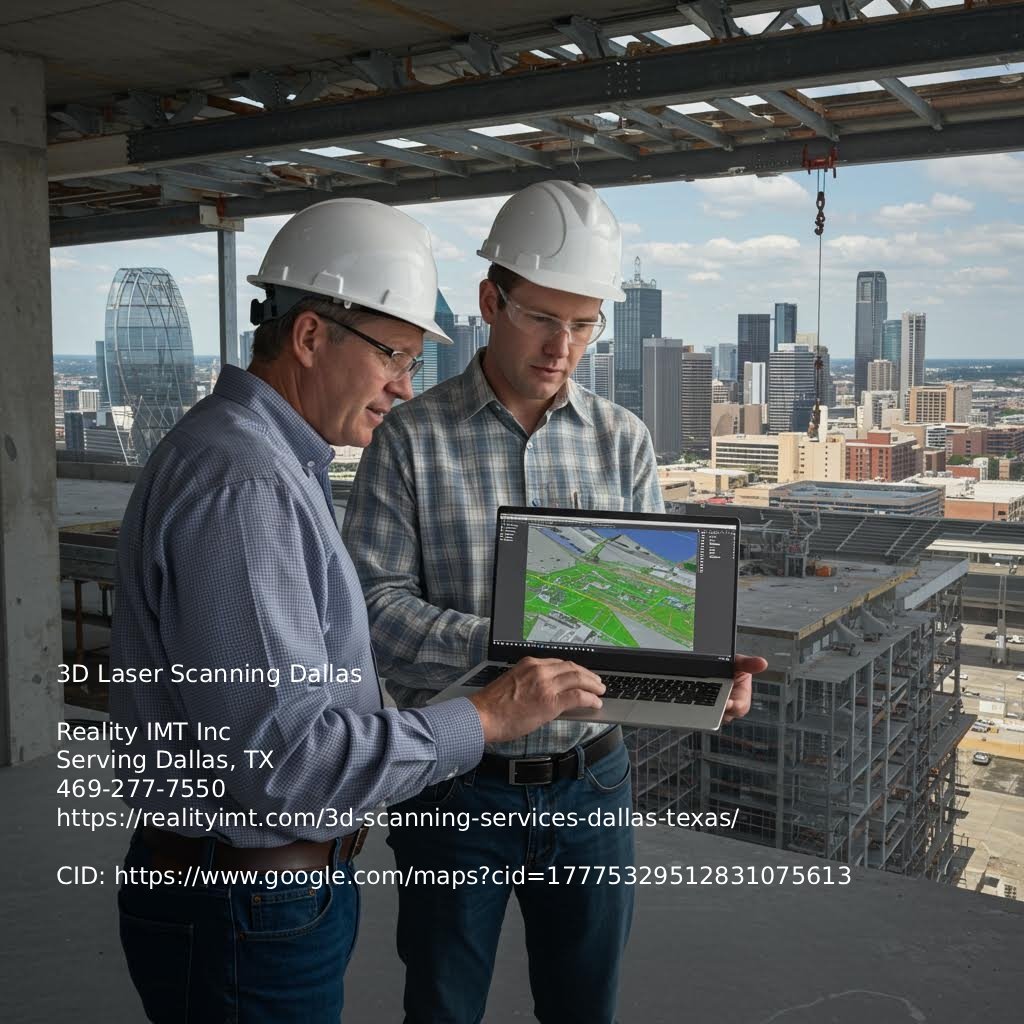
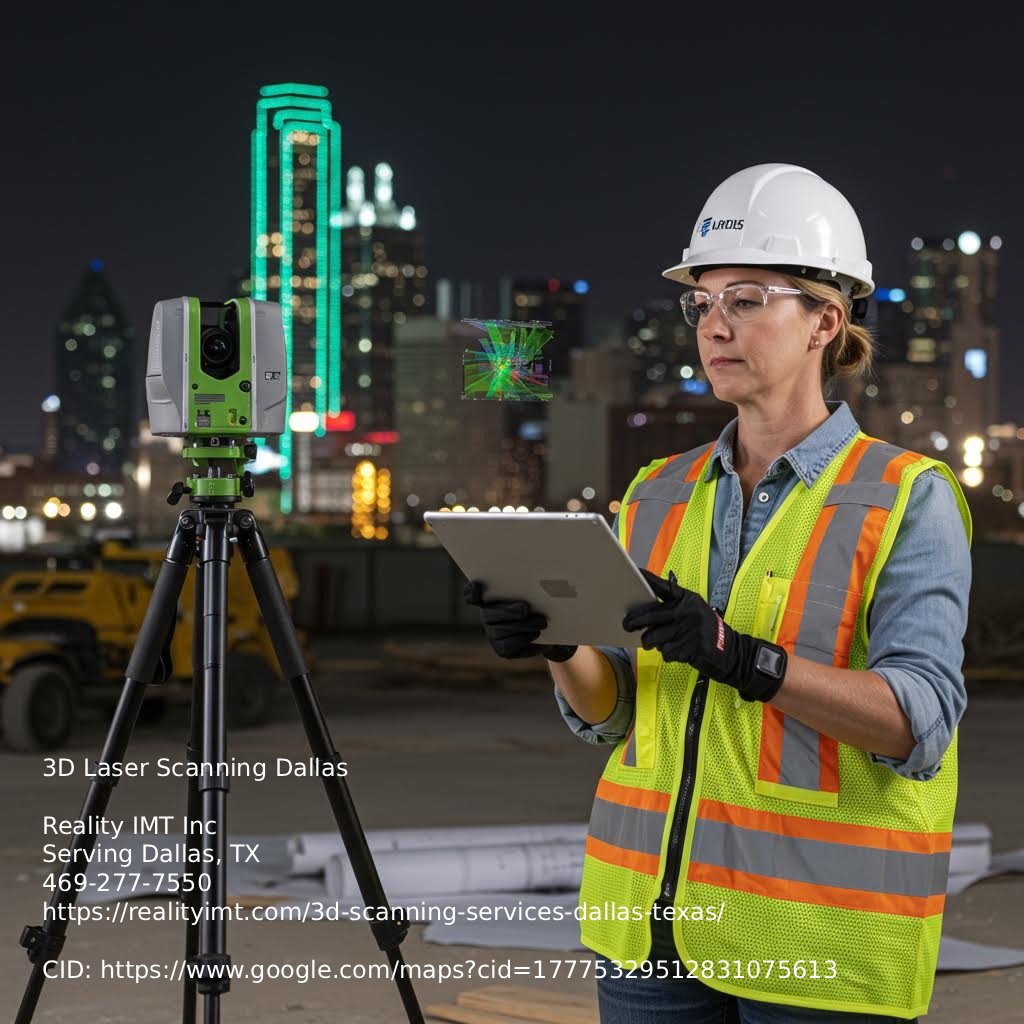
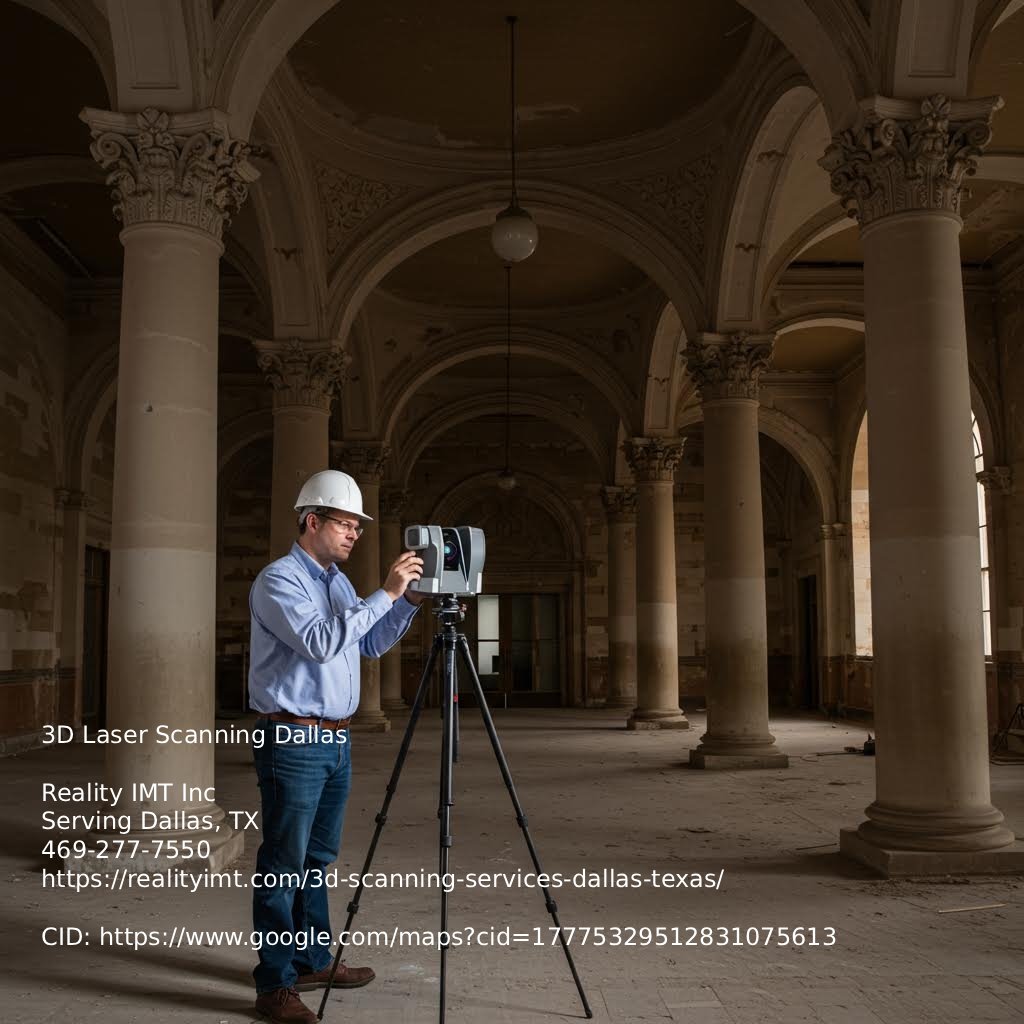
When scanning a school in Dallas for an as-built survey, be thorough. You’re not just mapping classrooms. You’re gathering details that guide design, renovation, and code checks. Miss something, and you risk delays or rework.
Start with classrooms. Measure walls, ceiling heights, and door and window locations. Then move to HVAC systems. Capture rooftop units, ductwork, and mechanical rooms. Architects and engineers need this to plan updates.
Next, focus on structural elements. Scan load-bearing walls, columns, beams, and floor slabs. Structural engineers rely on this to plan safe changes. Guessing leads to expensive mistakes.
Cover all MEP systems—mechanical, electrical, and plumbing. Scanning shows how systems run behind walls and above ceilings. This matters in older buildings with missing or outdated plans.
Don’t skip ADA compliance features. Measure ramps, door clearances, and restrooms. These details help keep the building accessible after any changes. Also, log utilities like electrical panels, water mains, and gas lines. Without them, planning becomes guesswork.
Here is why it matters: missing any of these areas can lead to incomplete models, surprise costs, or code problems. A full scan now avoids trouble later.
When scanning educational buildings for as-built documentation, accuracy from one room to the next matters. These buildings often have complex layouts with multiple floors, long hallways, uneven ceiling heights, and a mix of old and new construction. You need to capture everything clearly on the first pass or risk delays later when design teams find missing details.
For interior scanning, a resolution of 3mm at 10 meters usually works well. It’s sharp enough to catch MEP features, door frames, and ceiling grids without creating an oversized point cloud. If you're working with historic buildings or detailed renovations, a tighter resolution might help—but expect longer scan times and more data to manage.
Use a terrestrial laser scanner like the FARO Focus or Leica RTC360 for most scans. These handle room-to-room work and mixed lighting well. For tight areas like mechanical rooms or crawlspaces, try a smaller handheld scanner like a GeoSLAM or Matterport. Watch your alignment when adding those scans to the main model.
Always set control points. Even with solid registration software, large campuses need targets or survey control to stay accurate across wings or floors. This matters if the data will support BIM or structural work. Also, look for reflective surfaces—whiteboards and glass can distort scans. Cover or mark them ahead of time.
One more thing: scan more than you think you need. Go above ceiling tiles if you can. Include utility closets. Architects and engineers will ask for them later, and it’s harder to go back once construction begins.
Once 3D laser scanning wraps up, the raw data—called a point cloud—is just the start. It’s a dense set of millions or even billions of points that map the exact surfaces and layout of the school. But point clouds aren’t ready for design or renovation work. They need conversion into formats that architects and engineers can actually use.
Most often, teams convert point clouds into 2D CAD drawings, 3D Revit models, or BIM files. The choice depends on the project. Let’s say a school district in Dallas wants to upgrade HVAC systems in an older building. They might ask for a Revit model that shows current ductwork and ceiling layouts. For simpler updates, CAD floor plans and elevations might do the job.
The process starts by registering the scans—lining them up to create a full model. Then, technicians trace over the point cloud using CAD or BIM tools. Accuracy counts here. If the model is sloppy or the scans don’t align, the files can cause design mistakes or construction problems. Teams often miss small but important details like sloped floors, hidden beams, or uneven walls when they rush.
School renovations usually happen during short summer breaks. Bad data can cause delays or last-minute changes. Here is why experience matters. Teams who know how to convert scan data for schools, labs, gyms, and classrooms can help projects stay on track.
3D laser scanning captures a complete, measurable view of a school building as it stands. This matters when working with older structures, mismatched additions, or undocumented changes. For renovation, scan data removes guesswork. You get exact wall positions, ceiling heights, and structural details. Plans match the real space, which helps avoid delays and change orders.
During fire and life safety checks, scans show blocked exits, ceiling issues, and possible code problems that manual walkthroughs might miss. In schools with complex layouts or added portable buildings, a digital model helps inspectors and staff make clear decisions.
Scanning also supports space planning. Schools often repurpose rooms—offices become classrooms, storage turns into labs. A current digital twin lets planners see how space is used and adjust as needed. This helps when hybrid learning changes how long students use classrooms. You can test layouts and occupancy plans before making changes.
One common mistake is trusting old floor plans. They’re often wrong. Walls shift. Ceilings change. Equipment gets added. Without updated data, designs don’t fit. That causes delays and extra costs. Scanning fixes this by giving everyone a shared, accurate starting point.
Scanning an educational facility with 3D laser tools captures a clear, accurate view of the building’s current condition. That scan becomes the base for a digital twin—a model that reflects the building’s real dimensions, layout, and structure. For facility managers, this makes daily work easier and faster.
With a digital twin, you can find every utility line, HVAC unit, fire system, or structural beam without opening walls or ceilings. That means quicker maintenance and fewer surprises. If a pipe bursts or a wall needs support, the scan shows what’s behind it before anyone picks up a tool.
It also helps track assets. Equipment locations, model numbers, and install dates can live in the model. That’s handy in schools and universities where assets spread across many buildings. No need to walk the campus with a clipboard.
Planning construction or renovations? The scan removes guesswork. Architects and engineers can design with confidence, using floor plans that match the real space—not outdated drawings. This is especially helpful in older buildings that may have changed over time without records.
Without this data, you’re guessing. That leads to delays, extra costs, and design problems. In Dallas, where many campuses are growing or upgrading, skipping the scan is a risk that no longer makes sense.
When you need a 3D laser scanning provider for an educational facility in Dallas, don’t just pick the one with the flashiest website. These scans feed directly into design, renovation, and compliance work. Bad data throws off the whole project. Start by checking if the provider has real experience with schools, universities, labs, or large buildings. These spaces often have tricky layouts—multiple floors, mechanical rooms, old structures, and hidden voids. Someone used to scanning retail spaces might not be ready for that.
Next, ask about their hardware and software. Look for terrestrial laser scanners with sub-centimeter accuracy. Can they deliver point clouds, 2D CAD drawings, and 3D Revit models? If they only offer one format, your design team may run into problems. Also, make sure they know how to work with architects and engineers—especially MEP teams—since the scan often becomes the base for HVAC, electrical, and plumbing plans.
Here is why local knowledge matters. A company that knows Dallas building codes, construction methods, and school layouts can save you time. If they’ve worked under tight school district schedules or off-hours, even better.
Last step: ask for references and sample data. If they can’t show a clean, accurate point cloud from a similar project, that’s a red flag. You don’t want to discover halfway through that your model is missing a stairwell.
Planning renovations, expansions, or layout changes in a school or training center? Start with a 3D laser scan. Without updated as-built data, you're guessing. Guesswork causes delays, redesigns, and extra costs.
Schedule a consultation. A scanning team will walk the site with you, ideally when the building is empty or quiet. In Dallas, that could mean school breaks or early mornings. During the visit, they’ll spot structural and MEP elements to scan, check for visibility issues, and flag hard-to-reach areas like rooftops or crawlspaces.
Be clear about your goals. Are you planning a major renovation? Adding space? Upgrading HVAC or electrical? The scan should match your needs. Not every job requires a full interior and exterior scan with high detail.
Don’t trust old floor plans. They’re often off by inches—or more. Wall thickness, ceiling height, and stair placement can change over time. Laser scanning gives exact measurements, including quirks that matter when fitting new systems into older buildings.
If you manage several sites or work with remote teams, confirm that the scan files fit your BIM or CAD setup. Common formats include point clouds, 2D plans, and 3D Revit models. Not all providers offer everything. Ask early.
Next steps: book a site visit. A quick call can sort out the scope, timeline, and file formats. That helps you avoid surprises.